Key takeaways
- ✓A Design and Development Overlay sits at Clause 43.02 and triggers a permit to construct a building or carry out works.
- ✓The schedule is everything — it sets the building height, setback, siting and design requirements for your area.
- ✓Different schedule numbers (DDO1, DDO2 and so on) carry completely different rules on the same overlay clause.
- ✓Outdoor pools and some small second dwellings are exempt under the base clause unless the schedule says otherwise.
Do I Need a Permit in a DDO?
If your land carries a Design and Development Overlay (DDO) in Victoria, you generally need a planning permit to construct a building or construct or carry out works. The overlay sits at Clause 43.02 of the Victoria Planning Provisions, but the rules that actually shape your project — building height, setbacks, siting and design — live in the schedule behind your overlay number. Two blocks can both show "DDO" and be governed by completely different requirements.
Get a council-ready town planning report in 5 minutes — no town planner, no waiting.
Get your report →- ✓What a Design and Development Overlay controls, and why the schedule matters most
- ✓The permit triggers under Clause 43.02
- ✓The kinds of requirements a schedule sets — height, setback, design
- ✓What is exempt under the base clause
- ✓How to check the controls on your own property
The short answer
A Design and Development Overlay triggers a planning permit to construct a building or construct or carry out works under Clause 43.02, with subdivision and fences as triggers where the schedule specifies. The schedule sets the design requirements — building height, setbacks, siting and external appearance — so the same overlay clause produces very different rules from one area to the next.
The figure below shows how to read it.
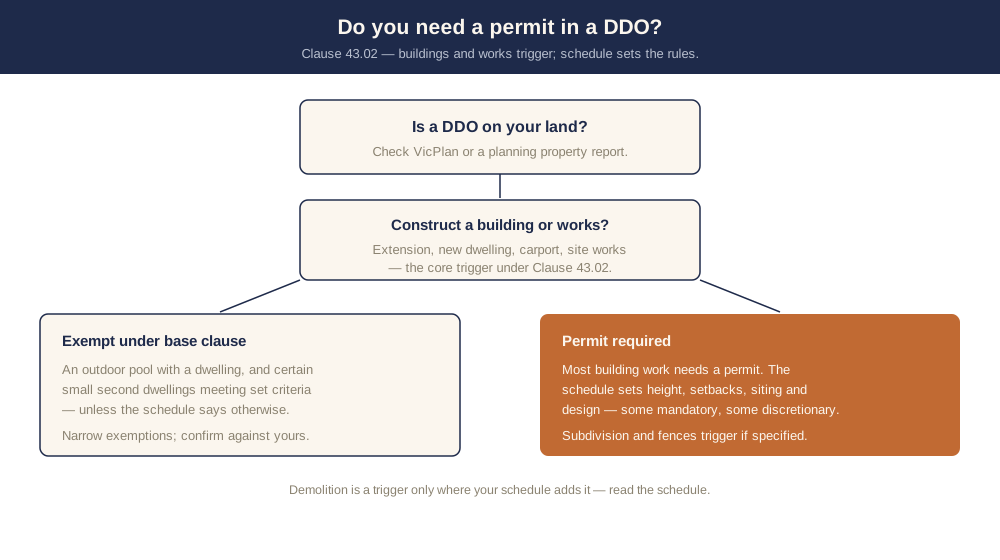
Figure 1: The overlay triggers a permit for buildings and works; the schedule sets the design rules the proposal must meet.
So a DDO is less about whether you need a permit — for most building work in a DDO, you do — and more about what your building has to look like and where it can sit once you are in the system.
What a Design and Development Overlay controls
A Design and Development Overlay identifies areas with specific requirements for the design and built form of new development. It is used to manage things like building height near a foreshore or ridgeline, setbacks along a strategic road, the scale of development in an activity centre, or the architectural character of a precinct. The overlay sits on top of your zone and adds its own permit trigger and its own design standards.
The critical point: the base Clause 43.02 is the same statewide, but it carries almost no detail of its own. The substance is in the schedule — DDO1, DDO2, DDO10 and so on — which is where the height limits, setback distances, plot ratios and design objectives are written. Read the schedule for your overlay number; it is the document that governs your project.
The permit triggers under Clause 43.02
Spend 5 minutes, not 3 weeks
instantplanning generates a council-ready town planning report for Victorian permits. No town planner. No waiting.
Get your report →Under Clause 43.02-2, a permit is required to:
- ✓Construct a building or construct or carry out works
- ✓Subdivide land
- ✓Construct a fence, if the schedule specifies it
The "buildings and works" trigger is the one that catches most homeowners — an extension, a new dwelling, a carport, even some site works can require a permit. Whether demolition needs a permit is not a blanket trigger in the base clause; it depends on whether your schedule adds it. Likewise, subdivision and fences are triggers only where the schedule brings them in or where they are otherwise specified.
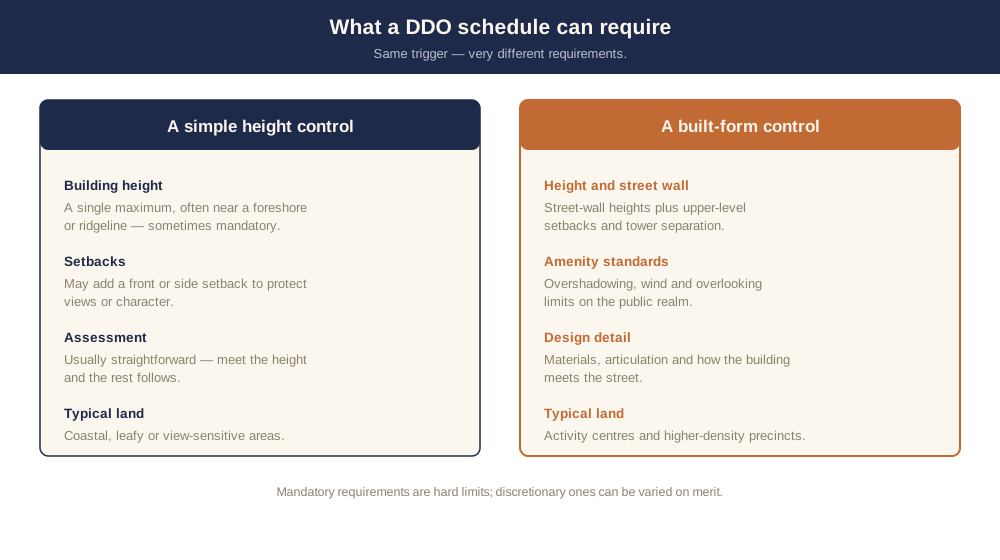
Figure 2: The trigger is the same; the schedule's requirements are what make one DDO a height control and another a design control.
What the schedule asks for varies widely. A foreshore DDO might cap building height at a single figure. An activity-centre DDO might set street-wall heights, upper-level setbacks, tower separation and overshadowing limits. A character DDO might focus on materials, roof form and front setback. Some requirements are mandatory (a hard limit a permit cannot exceed) and some are discretionary (a preferred standard the council can vary on merit). The schedule tells you which is which.
What is exempt
The base Clause 43.02 carries a small set of exemptions that apply unless the schedule overrides them:
- ✓An outdoor swimming pool associated with a dwelling, unless a schedule says otherwise
- ✓Certain small second dwellings that meet specified height and design criteria
- ✓Anything else the schedule specifically exempts
These are narrow. The headline remains that most building work in a DDO needs a permit, and the exemptions are the exception rather than the rule. Always confirm against your schedule, because a schedule can switch an exemption off. Your council is the responsible authority that assesses the application under the Planning and Environment Act 1987.
Built form and the DDO's wider role
A DDO is the long-standing tool Victoria uses to deliver built-form controls — the height, bulk, setback and design rules that shape how new buildings sit in their setting. It does much of the work that newer activity-centre controls also address; if you are looking at higher-density or activity-centre land, you may also encounter a Built Form Overlay, which we cover in do I need a permit in a Built Form Overlay. For everyday residential land, the DDO remains the overlay that most often governs design and height.
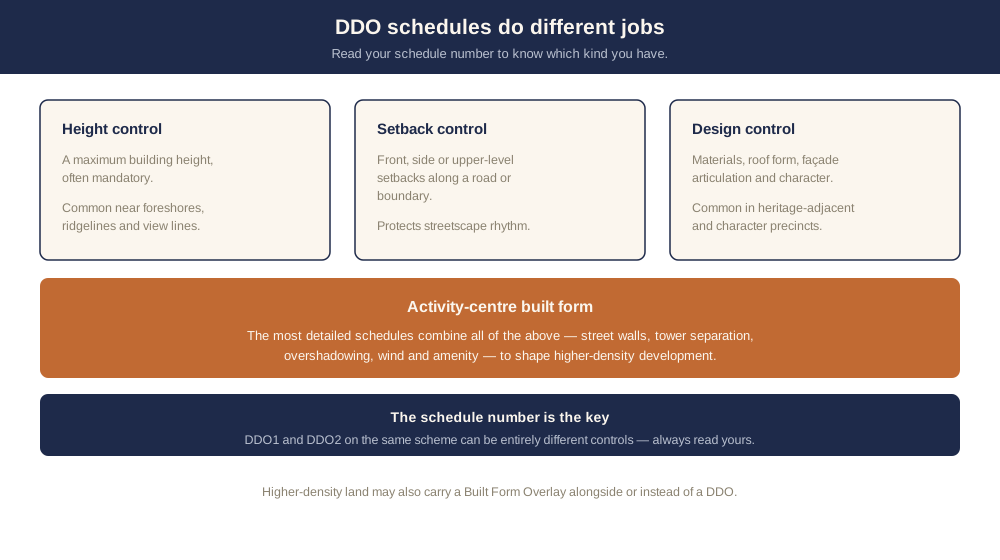
Figure 3: Different DDO schedules do different jobs — read yours to know whether it is a height, setback or design control.
Because a DDO assessment turns on how well your design responds to the schedule, it is rarely a tick-box. Even simple works can attract conditions on materials, colours or setbacks. Where the works are minor, some applications can run on the VicSmart fast track; eligibility depends on the class being listed. See VicSmart vs a standard planning permit.
How to check your own property
You can confirm the controls on your land for free:
- ✓Look up your address on VicPlan or generate a planning property report — it lists your zone and every overlay, including any DDO and its number.
- ✓Open the schedule to that DDO and read its design objectives, height limits, setbacks and any mandatory requirements.
- ✓Test your proposed building against those requirements before you finalise plans — it is far cheaper to adjust the design now than after lodgement.
If you do need a permit — what's next
When a Design and Development Overlay triggers a permit, your application is far stronger — and far less likely to be returned or hit a Request for Further Information — when it is backed by a town planning report that addresses Clause 43.02, your schedule's design requirements, and how the building responds to them.
Hiring a town planner can take weeks. instantplanning builds the same council-ready report from current Victorian planning scheme data in minutes — you review it before you lodge. Start with our explainer on the Design and Development Overlay, or just generate your report.
Frequently asked questions
Do I need a planning permit for an extension in a Design and Development Overlay?
What does a Design and Development Overlay control?
Why do two DDOs have completely different rules?
Is anything exempt from a permit in a DDO?
What is the difference between a mandatory and a discretionary DDO requirement?
How do I find out if a DDO applies to my land?
Ready to generate your report?
Skip the writing. Get a council-ready town planning report in 5 minutes.
Get your report