Key takeaways
- ✓Routine repair and maintenance to an existing house is usually exempt from a planning permit if no overlay applies.
- ✓Re-stumping needs a building permit even when it needs no planning permit — they are different systems.
- ✓A Heritage Overlay changes everything — like-for-like repairs are often fine, but a change in appearance can need a permit.
- ✓The practical test in an overlay is appearance: same as existing is usually exempt, different is usually not.
Do I Need a Permit to Re-Stump or Repair? (VIC)
For most homeowners, re-stumping, re-roofing and general repairs to an existing house in Victoria need no planning permit — they are routine maintenance, not new development. But there are two important catches: a Heritage Overlay (or similar character control) can pull some of that work into the permit system, and re-stumping almost always needs a building permit even when it needs no planning permit. Those are two different things, and confusing them is where people come unstuck.
Get a council-ready town planning report in 5 minutes — no town planner, no waiting.
Get your report →- ✓When repairs and maintenance are exempt from a planning permit
- ✓Why re-stumping still needs a building permit
- ✓How a Heritage Overlay changes the answer
- ✓When a "repair" becomes "buildings and works" that needs a permit
- ✓How to check the controls on your own property
The short answer
Routine repair and maintenance to an existing house in Victoria does not need a planning permit when no overlay applies — re-stumping, re-roofing and like-for-like repairs are maintenance, not development. A Heritage Overlay can change this, especially for work that alters external appearance. Re-stumping still needs a separate building permit.
The figure below shows the two questions to work through: the planning question and the building question.
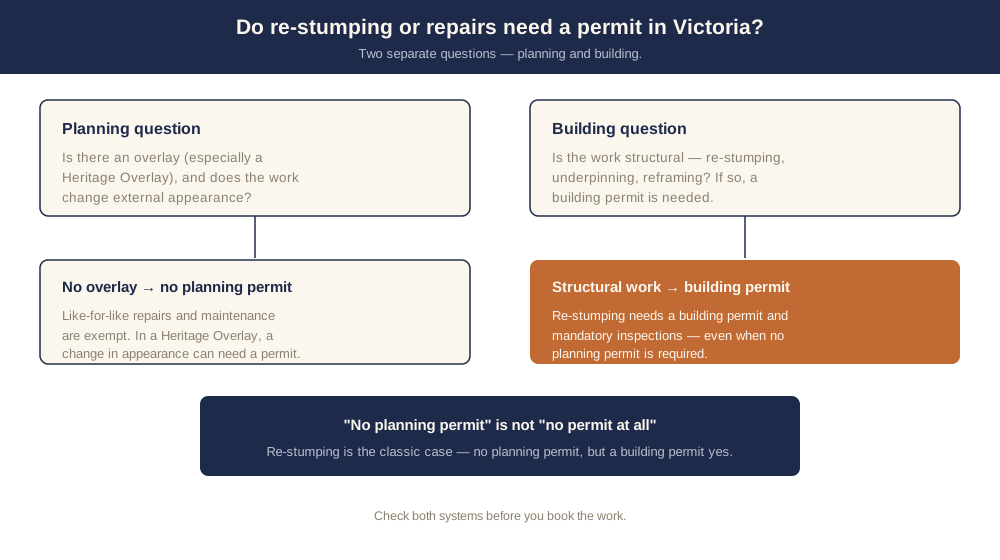
Figure 1: Repairs raise two separate questions — a planning permit (usually no, unless an overlay applies) and a building permit (often yes for structural work like re-stumping).
So two identical houses can have different answers: re-stumping a house in a plain residential street needs only a building permit, while substantial external repairs to the same house in a Heritage Overlay can need a planning permit as well.
When repairs are exempt from a planning permit
In a standard residential zone with no overlay, ordinary maintenance and like-for-like repairs to an existing dwelling sit outside the planning permit system. The work doesn't change the use of the land and doesn't add new development the scheme wants to assess.
- ✓Re-stumping or reblocking the existing footings
- ✓Re-roofing with the same profile and material
- ✓Repainting in a zone with no paint controls
- ✓Replacing gutters, fascias and downpipes like-for-like
- ✓General repairs that restore, not change, the building
The key word is like-for-like. Maintenance — keeping the building in its existing condition — and repair using the same materials and appearance are not planning triggers. It's only when the work goes beyond repair and becomes new buildings, alterations, additions or external changes that the planning scheme may step in, and even then usually only where an overlay applies.
Re-stumping needs a building permit
Spend 5 minutes, not 3 weeks
instantplanning generates a council-ready town planning report for Victorian permits. No town planner. No waiting.
Get your report →Here's the distinction that catches people: re-stumping (or reblocking) needs a building permit, because it affects the building's footings and structure. That's true even when no planning permit is required. The two approvals answer different questions — a planning permit asks whether the development is appropriate; a building permit asks whether the construction is sound.
A building permit for re-stumping is issued by a building surveyor and brings mandatory inspections at set stages, so the new footings are checked before the house is loaded back onto them. Other structural repairs — underpinning, replacing bearers, significant reframing — generally need a building permit too. Use a registered building practitioner, and confirm the permit before work starts.
How a Heritage Overlay changes everything
A Heritage Overlay (HO) under Clause 43.01 is the main reason a repair can need a planning permit. In a Heritage Overlay, a permit is generally required to construct a building or carry out works — including some external repairs — unless an exemption applies. The controls and exemptions vary by the schedule for your heritage place, so the detail matters.
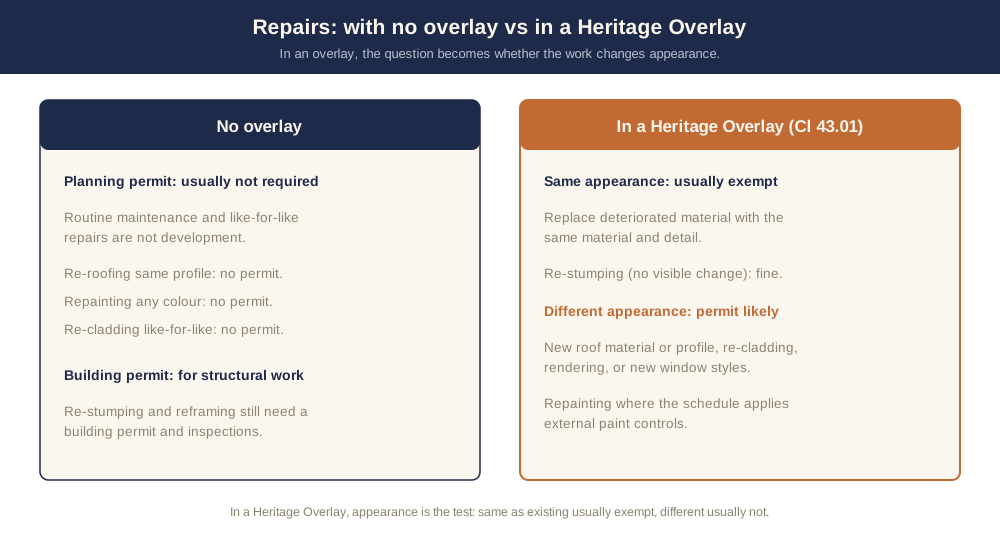
Figure 2: Outside an overlay, routine repairs are exempt. Inside a Heritage Overlay, the test becomes whether the work changes appearance.
The practical test in a Heritage Overlay is appearance:
- ✓Same as existing — repairs and routine maintenance that replace deteriorated material with the same material, detail and appearance are commonly treated as exempt.
- ✓Different appearance — re-roofing in a different material or profile, re-cladding that changes the look, or repainting where the schedule applies external paint controls, generally needs a planning permit.
So re-stumping in a Heritage Overlay (a structural job that doesn't change the external look) is usually fine for planning, while swapping a corrugated-iron roof for tiles on the same heritage house usually is not. Some overlay schedules apply external paint controls, meaning even repainting a controlled surface in a new colour can need a permit — check the schedule before you assume.
When a repair becomes "buildings and works"
A "repair" becomes a planning matter when it stops being like-for-like and starts changing the building's appearance, fabric or material in a way the overlay or local policy controls. Removing original features, re-cladding over weatherboards, rendering a brick facade, or replacing windows with a different style are the kinds of work councils treat as buildings and works rather than maintenance in a heritage context.
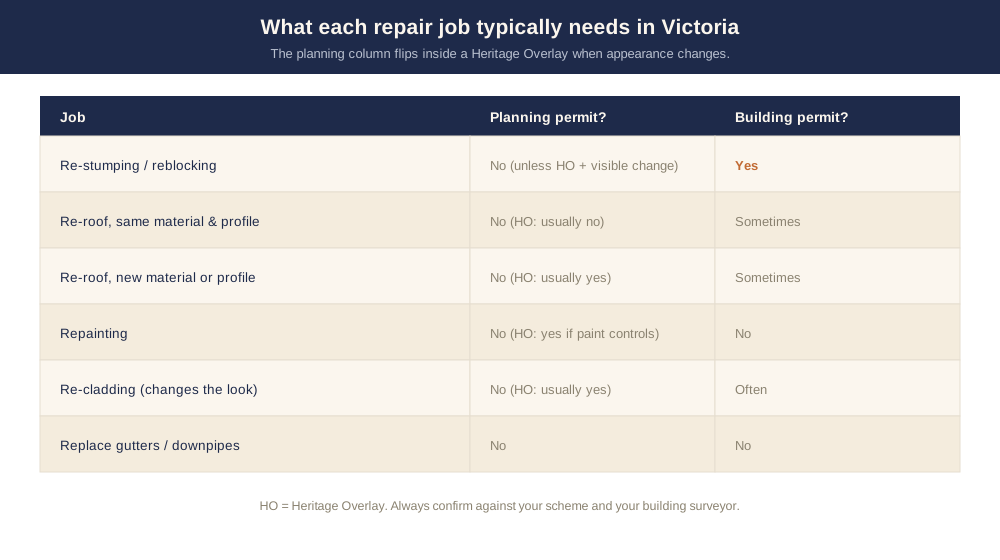
Figure 3: Common jobs mapped to what they typically need. The planning column flips inside a Heritage Overlay when appearance changes.
Some minor heritage works qualify for the streamlined VicSmart pathway, with a 10 business-day decision timeframe, where the schedule and clause make them eligible. VicSmart is not a general exemption — it's a faster track for specified minor applications — but it's worth asking your council about for small external works in a heritage area.
How to check your own property
You can confirm the controls on your land for free:
- ✓Look up your address on VicPlan or generate a planning property report — it lists your zone and every overlay.
- ✓Check whether a Heritage Overlay applies and read the schedule — note any external paint controls.
- ✓Separately, ask a building surveyor whether your repair needs a building permit (re-stumping and structural work usually do).
If you do need a permit — what's next
If your repairs fall in a Heritage Overlay and need a planning permit, your application is far stronger — and far less likely to be returned or hit a Request for Further Information — when it's accompanied by a town planning report that addresses the overlay and the scheme's heritage policy, and shows how the work respects the heritage place.
Hiring a town planner can take weeks. instantplanning builds the same council-ready report from current Victorian planning scheme data in minutes — you review it before you lodge. Start by checking what's exempt from a planning permit in Victoria, or just generate your report.
Frequently asked questions
Do I need a planning permit to re-stump a house in Victoria?
Do I need a building permit to re-stump or reblock?
Do I need a permit to re-roof my house?
Do repairs need a planning permit in a Heritage Overlay?
Do I need a permit to repaint my house?
What's the difference between a planning permit and a building permit for repairs?
Ready to generate your report?
Skip the writing. Get a council-ready town planning report in 5 minutes.
Get your report