Key takeaways
- ✓The Significant Landscape Overlay sits at Clause 42.03 and protects identified landscape character and values such as views, vegetation and ridgelines.
- ✓It can require a planning permit for buildings, works and, where the schedule says so, removing, destroying or lopping vegetation.
- ✓The numbered schedule (SLO1, SLO2 and so on) sets the exact triggers, thresholds and exemptions, so two sites can differ greatly.
- ✓Common exemptions cover dead vegetation, certain pruning, small farm sheds and water tanks, but only where your schedule allows them.
- ✓Check VicPlan at mapshare.vic.gov.au/vicplan to confirm your overlay and schedule number before you build or remove a tree.
What does a Significant Landscape Overlay (SLO) mean for my property in Victoria?
If your property carries a Significant Landscape Overlay (SLO) under Clause 42.03 of the Victoria Planning Provisions, your council has identified the area as a landscape worth conserving and enhancing. The overlay manages buildings, works and vegetation so that development stays visually and environmentally compatible with that landscape, and it can mean you need a planning permit before you build or remove a tree.
Get a council-ready town planning report in 5 minutes — no town planner, no waiting.
Get your report →- ✓What landscape character and values an SLO protects
- ✓When an SLO triggers a planning permit for buildings, works or vegetation
- ✓The exemptions that often apply
- ✓How numbered schedules change the rules from site to site
- ✓How to check your own property in minutes
The short answer
A Significant Landscape Overlay (SLO) is a control at Clause 42.03 that identifies significant landscapes and conserves their character. It can require a planning permit to construct buildings or carry out works, and to remove, destroy or lop vegetation, with the exact triggers and exemptions set by the numbered schedule that applies to your land.
The overlay is a framework. Each schedule states the nature and key elements of the landscape, sets landscape character objectives, and tailors permit requirements and decision guidelines to that area. That is why the controls can feel quite different between a coastal edge, a leafy suburb and a volcanic slope.
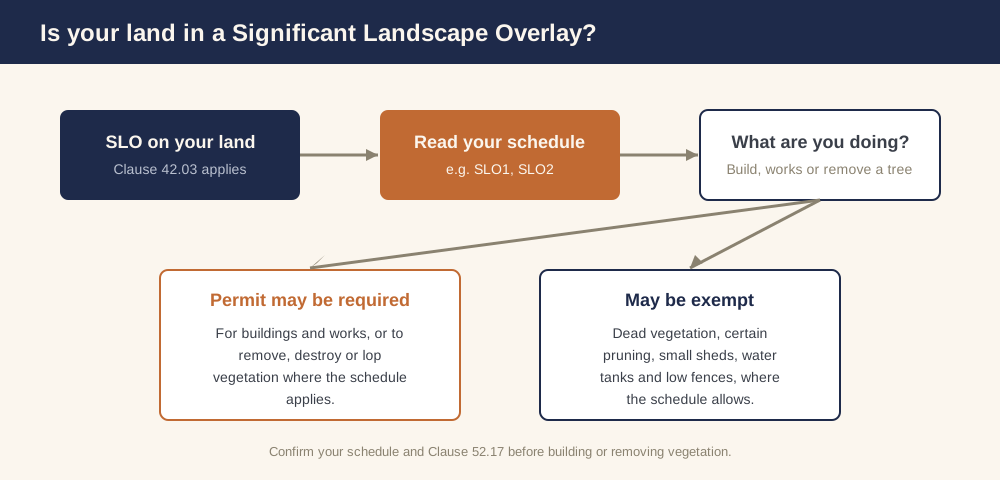 Figure 1: How a Significant Landscape Overlay leads to a permit decision.
What does a Significant Landscape Overlay protect?
An SLO protects the landscape character and values identified in its schedule. Depending on the area, that can include visual and scenic values such as views, vistas, skylines, ridgelines, coastlines and valleys; vegetation character where vegetation is integral to the landscape, such as indigenous coastal vegetation or a tree-canopy suburb; environmental and ecological values such as indigenous vegetation and waterway environs; and the cultural, historic and social values of the landscape.
The exact landscape elements and objectives are spelled out in the relevant schedule, so the same overlay name can mean very different things in different municipalities.
When do I need a planning permit under an SLO?
Spend 5 minutes, not 3 weeks
instantplanning generates a council-ready town planning report for Victorian permits. No town planner. No waiting.
Get your report →Clause 42.03 lets a schedule require a permit for buildings and works, and for vegetation removal, with the specific triggers set in the schedule. A general trigger to construct a building or carry out works is common, and many schedules also require a permit for fences, driveways, paving, pools or earthworks.
Where the schedule says so, you may also need a permit to remove, destroy or lop vegetation. Some schedules apply this to any vegetation, others only to native vegetation, and others to native vegetation plus larger exotic or native trees above a stated size threshold.
- ✓Constructing a building or carrying out works
- ✓Building a fence, where the schedule requires one
- ✓Removing, destroying or lopping vegetation where the schedule applies
- ✓Earthworks, driveways or a pool, in some schedules
Because the triggers and any size thresholds are schedule-specific, you must read the schedule for your land rather than assume. A town planning report sets out exactly which triggers apply to your site.
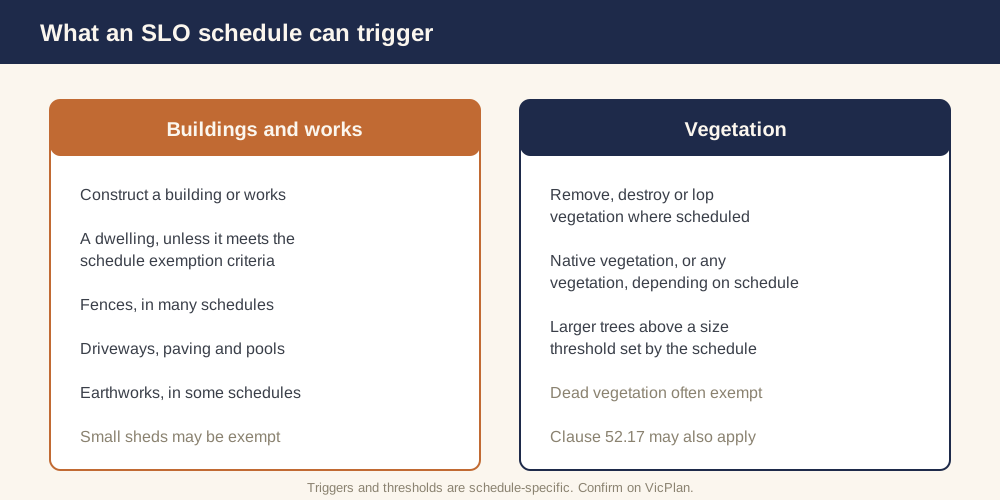 Figure 2: Building and works triggers versus vegetation triggers under a schedule.
What is exempt from an SLO permit?
Because Clause 42.03 delegates the detail to schedules, exemptions are always schedule-specific. Common building and works exemptions include small agricultural sheds or open-sided farm buildings below a stated floor area and height, dwellings that comply with strict coverage, height and setback criteria, water tanks meeting specified conditions, low or post-and-wire fences, and works by or for public authorities under approved management plans.
Common vegetation exemptions include dead vegetation, often with specific rules for dead large eucalypts, certain pruning for regeneration or shaping, and non-native or small vegetation below a defined height or diameter. Your schedule sets the figures, so confirm them before you act.
These SLO controls operate in addition to the native vegetation controls at Clause 52.17. If either control triggers a permit, you need one unless an exemption applies.
Can I use the VicSmart fast-track in an SLO?
VicSmart is a state-wide fast-track process for defined classes of application. Some SLO proposals can use it. A common example is removal, destruction or lopping of one tree in a Significant Landscape Overlay where that is listed as a VicSmart class and all eligibility criteria are met. Certain buildings and works associated with a dwelling can also qualify where specifically allowed.
An SLO alone does not make a proposal VicSmart. It must fall into a defined VicSmart class and satisfy the criteria, which are set out in the state VicSmart provisions and any local VicSmart schedule, so confirm eligibility for your specific proposal.
How do numbered schedules (SLO1, SLO2) change the rules?
The overlay is shown on planning scheme maps as SLO with a number. Each schedule is mapped to specific land and contains its own landscape statement, objectives, permit triggers, thresholds and exemptions. As a result, requirements can differ significantly between SLO1, SLO2 and SLO3, even within one municipality.
One schedule might allow a dwelling without a permit where site coverage and height stay below set limits, while another requires a permit for any dwelling at all. One might exempt non-native vegetation below a certain height and diameter, while another still requires a permit for large non-native trees. For tree and vegetation removal in particular, your schedule decides whether a permit is needed and what thresholds apply.
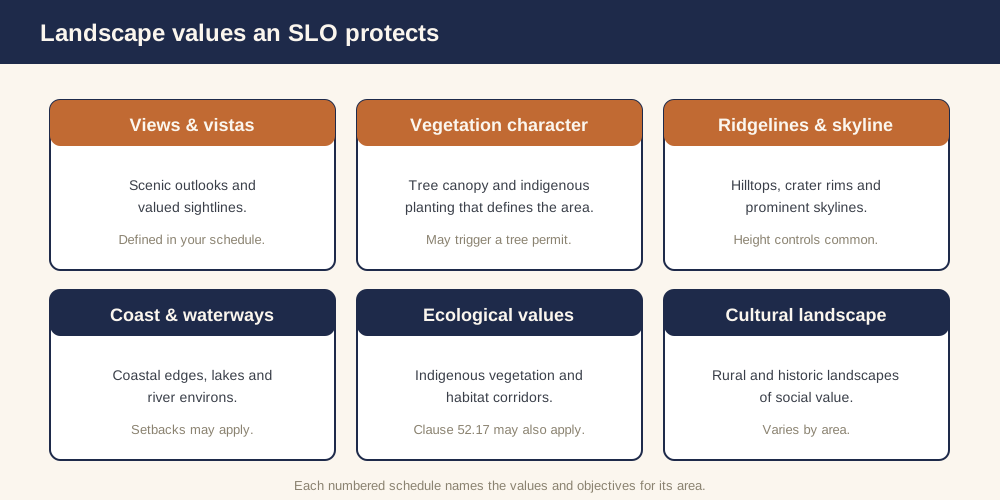 Figure 3: Landscape values an SLO schedule commonly protects.
How do I check whether my property has an SLO?
You can confirm the overlay yourself in a few minutes:
- ✓Open VicPlan at mapshare.vic.gov.au/vicplan and search your address.
- ✓Generate the planning property report, which lists every zone and overlay, including any Significant Landscape Overlay and its schedule number.
- ✓On planning.vic.gov.au, open Clause 42.03 and the exact schedule (for example SLO1) that applies to your land.
- ✓Read the schedule's landscape objectives, permit triggers, vegetation thresholds and exemptions.
Read together with Clause 52.17 and any VicSmart tables, this tells you what you can build or remove and what approval you need.
Hiring a town planner can take weeks. instantplanning builds the same council-ready report from current Victorian planning scheme data in minutes — and you review it before you lodge. When you are ready, generate your report.
Ready to generate your report?
Skip the writing. Get a council-ready town planning report in 5 minutes.
Get your report